
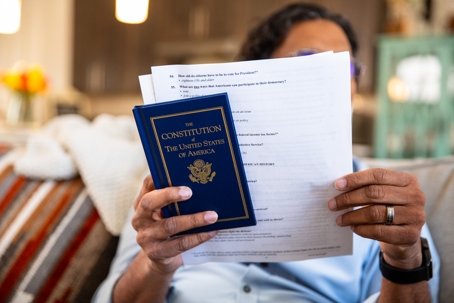
For many immigrants, U.S. citizenship represents stability, opportunity, and belonging. Yet, understanding how long it takes to complete the naturalization process can feel confusing. Timelines vary depending on factors such as eligibility, background checks, and local processing times.
For personalized guidance through the citizenship process, contact ImmiVisa Law Group through our online contact form or call (385) 644-1859.
Understanding the Citizenship Process
The path to U.S. citizenship typically begins after becoming a lawful permanent resident (green card holder). To qualify, applicants must meet certain eligibility requirements before submitting their application for naturalization.
Citizenship involves several key steps: determining eligibility, filing the N-400 form, attending biometrics appointments, completing an interview and test, and participating in the Oath of Allegiance ceremony. Each stage has its own timeline, and understanding them can help set realistic expectations.
Step 1: Meeting the Eligibility Requirements
Most applicants qualify for naturalization after holding a green card for at least five years. Those married to U.S. citizens may qualify after three years. In both cases, applicants must have continuous residence and physical presence in the United States, demonstrate good moral character, and show knowledge of English and U.S. civics.
Eligibility also includes specific timeframes for physical presence—typically 30 months out of the past five years for most applicants—and residency within the state where the application is filed for at least three months.
Step 2: Submitting the N-400 Form
Once eligibility is confirmed, the next step is submitting Form N-400, Application for Naturalization. This form can be filed online or by mail and includes personal details, background information, and a filing fee.
Processing times for the N-400 vary depending on the U.S. Citizenship and Immigration Services (USCIS) field office handling the case. On average, applicants can expect this stage to take between 12 and 18 months, though it may be shorter or longer based on workload and regional factors.
Step 3: Completing Biometrics
After filing the application, USCIS schedules a biometrics appointment to collect fingerprints, photographs, and signatures. This appointment helps confirm identity and allows for background checks.
Biometrics are usually completed within a few weeks after submission. Delays can occur if additional information is required, but in most cases, this stage moves relatively quickly.
Step 4: Attending the Interview and Test
One of the most important parts of the citizenship process is the naturalization interview. Applicants meet with a USCIS officer who reviews their application, assesses eligibility, and administers two tests: an English language test and a civics test covering U.S. history and government.
Applicants who pass both tests and meet all requirements may receive an approval notice shortly after the interview. If a case requires additional review, it may take several more months before a final decision is made.
Common Reasons for Delays in the Citizenship Process
Although USCIS provides general estimates, actual processing times can vary due to:
- High application volumes in certain regions
- Background check delays or requests for additional documents
- Errors or missing information in the application
- Rescheduling of interviews or biometrics appointments
Being proactive and thorough when completing paperwork can help minimize potential delays.
Step 5: Taking the Oath of Allegiance
The final step to becoming a U.S. citizen is attending the Oath of Allegiance ceremony. This event formalizes citizenship and grants full rights and responsibilities.
In most cases, the ceremony is scheduled within a few weeks after the interview approval. Once the oath is taken, applicants receive a Certificate of Naturalization, marking the completion of the process.
Average Citizenship Timeline
While every case is different, a general timeline for the citizenship process looks like this:
- Eligibility period (green card requirement): 3–5 years
- N-400 application processing: 12–18 months
- Biometrics and background checks: 1–2 months
- Interview and testing: 2–4 months after biometrics
- Oath ceremony: Within several weeks of approval
In total, most applicants complete the process between 1.5 and 2 years after applying, assuming no significant delays.
Tips for a Smoother Citizenship Process
Preparing early and staying organized can make the process less stressful. Consider the following practical tips:
- Review eligibility requirements before applying.
- Keep copies of all forms, identification, and correspondence.
- Respond promptly to USCIS requests.
- Stay informed about local processing times.
- Seek professional guidance from a Lehi immigration law attorney to ensure each step is handled properly.
Taking time to prepare not only reduces errors but also helps applicants feel more confident throughout the process.
Supporting Immigrants Every Step of the Way
Citizenship is a meaningful milestone—one that recognizes years of dedication and contribution. It opens doors to voting, traveling with a U.S. passport, and accessing new opportunities. Although the process takes time, understanding each stage can help make the journey more manageable.
Contact A Lehi Immigration Law Attorney For Guidance On The Citizenship Process
Those pursuing citizenship in Utah benefit from working with legal professionals who understand both the personal and procedural aspects of immigration. ImmiVisa Law Group assists individuals through every step of naturalization, from eligibility review to the final oath. To learn more, reach out through our online contact form or call (385) 644-1859.